The UAE produces 3.2 million barrels of crude oil daily, placing it among the world’s top 10 oil producers and giving it the seventh-largest proven reserves, as per the U.S. Energy Information Administration. This massive output relies on a complex logistics network that operates across deserts, offshore platforms, refineries, and international markets. Logistics teams manage everything from rig mobilization to last-mile delivery. Yet, despite strong infrastructure, the industry still faces several critical challenges.
The majority of the oil in the UAE is produced in its desolate offshore fields and desert areas. In land-based operations, extreme temperatures in the summer of more than 50°C cause wear to equipment, increased fuel use, and frequent failures. Offshore activities present a challenge of their own. Areas such as the Upper Zakuml are the second-largest offshore oil field in the world, which requires proper coordination because of the changing weather seasons, high tides, and complicated maritime arrangements. All these complicate an already demanding process of supply chain.
Although the , followed by inspection, and licenses, among other factors, particularly hazardous cargo. Such delays may put essential maintenance or construction work at a standstill.
In the upstream oil and gas projects, logistics may absorb a maximum of 10-15 per cent of the total project costs (). Subsea lifting to transport items like subsea risers, compressors, and mobile rigs has specific needs of temporary lifting, route planning, and storage that are expensive to ramp up.
Although Dubai has been aiming to become a Smart City, its oil and gas logistics chains still operate with limited integration between inventory systems, fleet tracking, and vendor coordination. This may cause delays, overstocking, and communication lapses, particularly in emergency response logistics.
Shipment of volatile chemicals, such as LNG, or any type of chemicals, through high-traffic areas or ecologically sensitive areas requires adherence to the on environmental protection. Even a slip in compliance may mean hefty fines or environmental degradation, and this is another pressure imposed on logistics service providers.
Read Also- Why Reservoir Engineering is Essential for Upstream Oil and Gas Success
In mitigating the environmental issues, the logistics providers at the moment use vehicles that resist the temperature, corrosion-resistant fittings, and explosion-proof containers. Other companies, such as Agility Logistics and GAC, have started incorporating the use of drones to take warehouse stock and check sites in the offshore oilfields. (Source : GAC UAE)
Oil and gas companies are monitoring cargo in real time using digital supply chain sites. The example of ADNOC, which opened the Thamama Subsurface Collaboration Center to plan its logistics and drilling processes using artificial intelligence and advanced analytics, is just one example.
The ports of the UAE are very active worldwide. The largest man-made port is Jebel Ali Port, which handles more than 14 million TEUs on an annual basis. Special economic zones that deal with oil and gas such as Kizad and JAFZA provide bonded storage facilities, tailor-made warehousing, and upstream and downstream tax benefits.
In order to increase efficiency and lower costs, most logistics firms in the UAE are collaborating with government organizations such as Etihad Rail and ADNOC Logistics & Services. Such partnerships intend to create integrated transport networks that support the oil and gas industry effectively. As an example, Etihad Rail is creating a freight system that will save between 30-40 percent of transportation expenses in the oil and gas sector by 2030, which will considerably increase operational effectiveness throughout the value chain
As part of the long-term greener strategy of the UAE, Net Zero by 2050 Strategy, oil and gas logistics companies are switching to sustainable fuel fuels, electric fleet, and routing optimization tools to minimize carbon emissions. ADNOC is also doing the same and aims to decrease its level of GHG intensity by 25 percent by 2030.
6. Talent Development
Institutions such as Petroleum Institute Abu Dhabi and Heriot-Watt University Dubai in the UAE are now providing college courses in Logistics Management in Energy Sectors to fill the skill gap. Some of the companies are also investing in safety simulations, offshore certification and remote operations training.
Oil and gas logistics services in the UAE are evolving rapidly -overcoming rugged landscapes, complex regulations, and a lack of technology through innovation and investment. With the utilization of digital tools and promotion of collaborations, as well as focusing on sustainability, the UAE not only resolves its logistics issues but also establishes the standards in the global energy market.
To the stakeholders, logistics is no more a support activity; rather, it is developing as a strategic enabler and will form the future of oil and gas in the region.
In need of a trustworthy partner with extensive experience dealing with oil and gas markets in both the UAE and MENA markets? Get Global Group can provide you with end-to-end opportunities in one case, from rig mobilization to last-mile transport. We have designed efficient, safe, and compliant industrial-specific logistics services.
Read Also- Oil and Gas Courses: Top Key Skills for Career Growth
By Get global | February 24, 2026
Choosing an oilfield service provider rarely feels like a risky decision at the start. On paper, most providers look capable. Certifications are in place. Equipment lists are impressive. Commercial terms appear competitive. The problems usually show up later. A few weeks into operations. After the first unplanned shutdown. When coordination […]
By Get global | February 19, 2026
In today’s constantly evolving energy landscape, selecting the right Upstream Oilfield Services Provider is not only essential but also a strategic decision that directly influences the performance, safety and well being of the workforce. The upstream oil and gas sector operates in one of the most hazardous and risk – […]
By Get global | February 16, 2026
In today’s rapidly evolving energy landscape, the upstream segment is not only crucial in the oil and gas industry but also the basis of finding and exploring hydrocarbons. As projects move into deeper and much complex territories, upstream companies are involved in all the phases of the oil and gas […]
By Get global | January 30, 2026
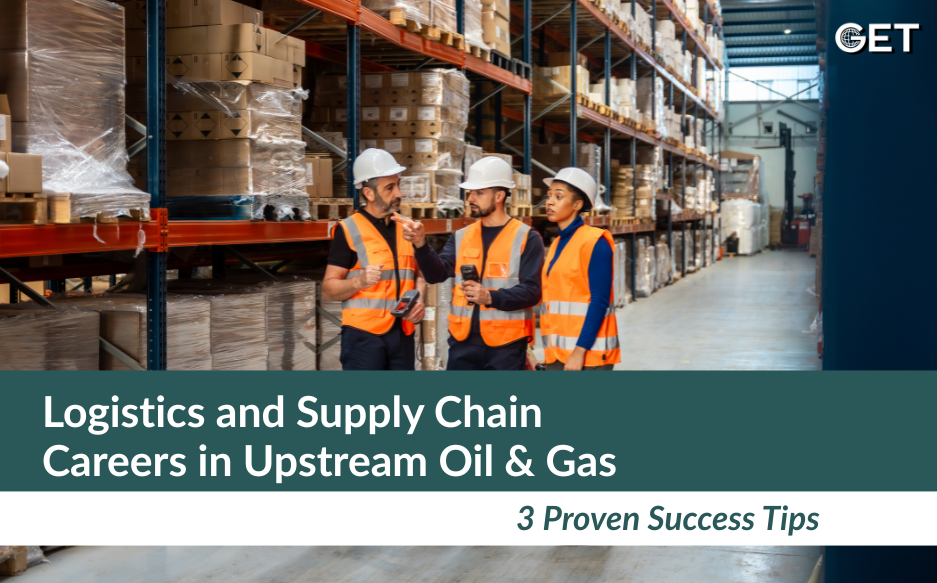
Upstream oil and gas is where the real work starts. This is the part of the value chain where exploration wells are drilled, rigs are mobilized, and production systems are installed, often hundreds of kilometers away from stable ports, roads, or population centers. Logistics here supports drilling campaigns, well interventions, […]
By Get global | January 27, 2026
The oil and gas industry operates under unpredictable conditions which make it difficult for projects to succeed. When something goes wrong, it goes wrong fast. The situation develops into dangerous conditions which result in multiple fires, injuries, shutdowns and environmental damage that lasts for many years. The oil and gas […]