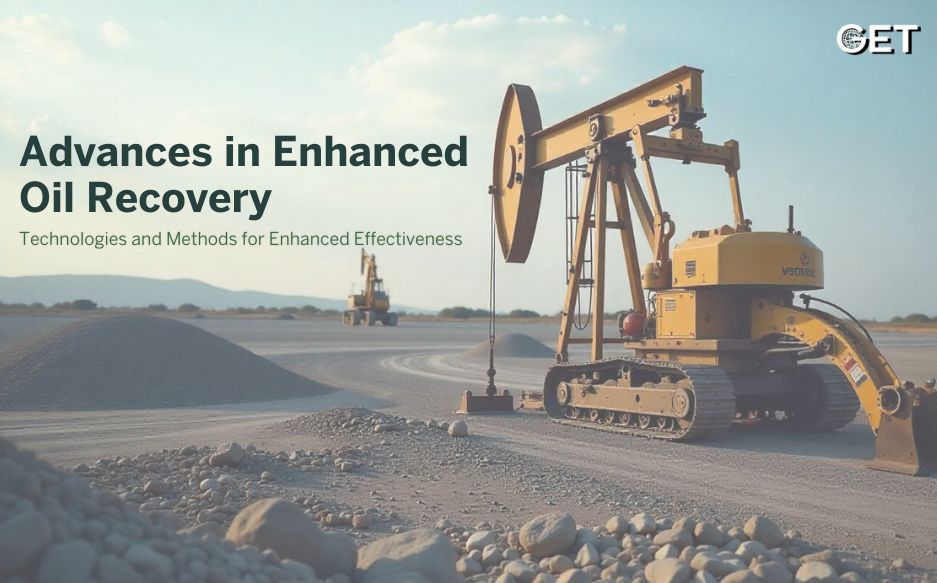
In the above context, the oil and gas industry is evolving all the time to respond to increased energy requirements. Enhanced Oil Recovery (EOR) is one of several efforts with which great strides can be made to recover more oil from a reservoir. Conventional methods recover 30-40% of the oil from the reservoirs, however, these EOR technologies can significantly increase these percentages.
New technologies help oil companies recover more oil more efficiently and cost-effectively. Different EOR techniques are new and trending these days, and they are talking about business impacts within this blog.
EOR can be defined as all advanced techniques involved in oil extraction beyond the limits of the conventional methods. They are based on changing the reservoir characteristics so that they promote the flow of oil and increase production.
There are three main categories under EOR:
The most appropriate methods of the above are chosen based on reservoir conditions and economy.
It is a process used in heavy oil reservoirs, where the oil is thick and not pumped easily. By heating up the oil, the reduced viscosity makes it easier to flow. The techniques most used are:-
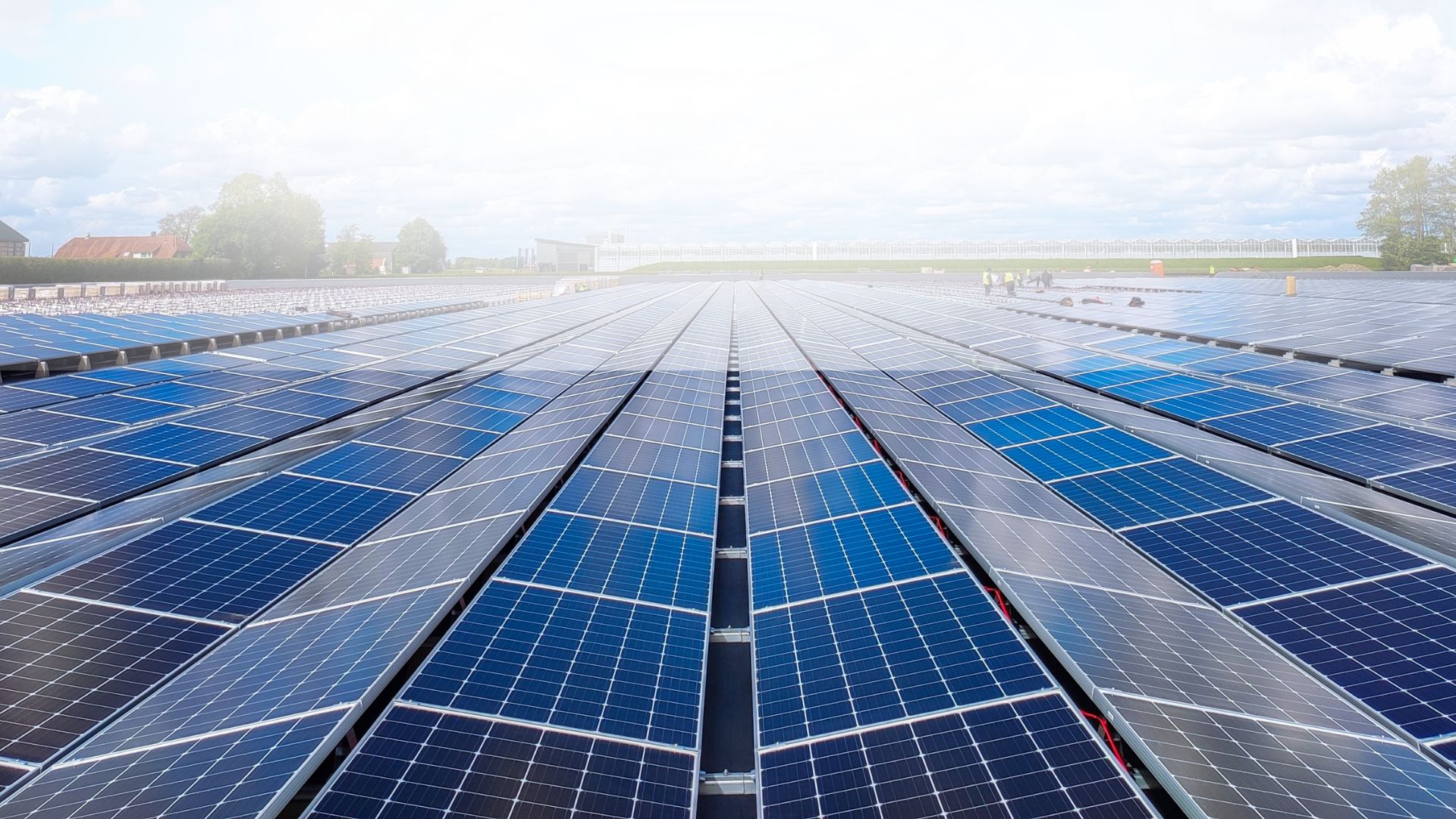
The latest innovations are solar thermal EOR, where solar energy is used to generate steam, thus reducing carbon footprint and keeping operation costs lower.
Gas injection is one of the most popular types of EORs. In this type of enhanced oil recovery, gas injection is the most commonly used process. It involves injecting gas into the reservoir so that pressure could be maintained and oil is displaced towards the production well. The basic gases employed in this process include:
The Texas Permian Basin is one such area that will boost the success of thousands of barrels of extra oil recovered through the adoption of CO2 injection. It is a very good method of carbon capture and storage (CCS), thereby decreasing greenhouse gas emissions.
Chemical EOR is injecting special chemicals into the reservoir for the oil displacement. Most common techniques are:
Nanotechnology has developed nano-polymers that improve the oil flow at lower concentrations of chemicals making it cheaper and environment friendly.
Today, emerging technologies are transforming EOR to become more efficient and sustainable. Some of the major innovations include:
GET Global Group is among the most sought-after service providers in implementing state-of-the-art solutions for the oil and gas industry. With our EOR techniques, advanced as they are, clients can maximize recovery while ensuring operational efficiency. We put into practice the latest technologies including AI-driven data analytics real-time monitoring for optimized oil production. Sustainable and innovative solutions enable cost reduction through a minimized environmental footprint.
While EOR increases oil production, it also minimizes Environmental impacts.
Read Also- Empowering projects with the right people
EOR is one of the transforming technologies for the oil and gas industry because it brings about higher efficiency and sustainability. Other drilling has also been reduced by such improvements in thermal, gas, and chemical techniques that further increase the recovery of oil from existing reservoirs.
With the evolving technology, EOR will be a key contribution to securing the world’s future energy. Companies investing in AI, nanotechnology, and carbon capture will lead the charge of sustainable production of oil. We, at GET Global Group, are committed to changing the industry with innovative solutions that improve efficiency and sustainability.
By Get global | February 24, 2026
Choosing an oilfield service provider rarely feels like a risky decision at the start. On paper, most providers look capable. Certifications are in place. Equipment lists are impressive. Commercial terms appear competitive. The problems usually show up later. A few weeks into operations. After the first unplanned shutdown. When coordination […]
By Get global | February 19, 2026
In today’s constantly evolving energy landscape, selecting the right Upstream Oilfield Services Provider is not only essential but also a strategic decision that directly influences the performance, safety and well being of the workforce. The upstream oil and gas sector operates in one of the most hazardous and risk – […]
By Get global | February 16, 2026
In today’s rapidly evolving energy landscape, the upstream segment is not only crucial in the oil and gas industry but also the basis of finding and exploring hydrocarbons. As projects move into deeper and much complex territories, upstream companies are involved in all the phases of the oil and gas […]
By Get global | January 30, 2026
Upstream oil and gas is where the real work starts. This is the part of the value chain where exploration wells are drilled, rigs are mobilized, and production systems are installed, often hundreds of kilometers away from stable ports, roads, or population centers. Logistics here supports drilling campaigns, well interventions, […]

By Get global | January 27, 2026
The oil and gas industry operates under unpredictable conditions which make it difficult for projects to succeed. When something goes wrong, it goes wrong fast. The situation develops into dangerous conditions which result in multiple fires, injuries, shutdowns and environmental damage that lasts for many years. The oil and gas […]