A guide for professionals ready to make the switch
If you’ve been working in the UAE’s energy sector for a while, you’ve probably noticed a shift.
Ten years ago, almost every conversation in the industry centred around oil, gas, and upstream operations. Today, renewable energy is no longer a side topic — it’s a serious part of the national agenda. And it’s growing fast.
Whether you’re fresh out of university, stuck in a job that doesn’t feel future-proof, or already working in oil and gas but curious about what’s next, this guide is for you. I’ve tried to put together what I’ve learned, seen, and experienced here on the ground — no fluff, just practical advice.
The UAE’s Energy Strategy 2050 set a pretty ambitious goal: generate 50% of the country’s power from clean sources. At first, that sounded like a tall order. But now, with projects like the Mohammed bin Rashid Al Maktoum Solar Park and the development of Masdar City, it’s starting to feel very real.
The truth is, there’s real money, policy, and intent behind this transition. And with that comes one thing most of us care about — opportunity.
For a long time, oil and gas jobs in the UAE were considered stable, well-paying, and prestigious. That hasn’t changed. But renewable energy jobs are starting to offer something different: growth, long-term potential, and alignment with where the world is headed.
If you already work in the energy sector — whether in operations, HSE, engineering, or logistics — your skills are more transferable than you might think.
And if you’re just getting started, there are far more entry points into clean energy than there used to be.
Depending on your background, here are some roles I’ve seen opening up:
If your experience is in electrical, mechanical, or civil engineering, you’ve got a solid foundation for working in solar plant development, system installation, or maintenance.
I know people who moved from power distribution roles in oil and gas straight into grid integration for solar projects.
It helps to know tools like SCADA or to have a general understanding of how battery storage systems work. But even if you don’t, that’s trainable.
If you’ve led site operations, managed contractors, or handled timelines and budgets in an oilfield or industrial environment, those same skills are needed for solar parks, wind installations, and hybrid energy systems.
Adding something like a PMP certification or even a short course on renewable project financing could give you a small edge.
HSE standards don’t go away in renewables — if anything, they become more complex with the integration of new technologies. Experience in safety protocols, audits, and compliance is still very much in demand.
This area has taken off. Companies now need people who can assess environmental impact, track emissions, or help align with ESG reporting standards. If this is your interest, a background in environmental sciences or even just an upskilling course can help you break in.
If you’ve ever worked with remote monitoring tools or performance dashboards, you’ll find a place here. Smart energy systems rely heavily on sensors, analytics, and IoT. Companies want people who can work across tech and energy.
Let’s be honest — a lot of folks in the oil and gas world worry that they’ll have to “start over” if they jump to renewables. That’s rarely true.
Your understanding of how real-world energy systems operate is valuable. You’ve worked under pressure, handled real assets, managed crews, dealt with downtime, and kept systems running. That’s exactly the kind of experience renewables companies want — especially those working in hybrid energy, where diesel meets solar.
Companies like GET Global Group, for example, offer on-demand energy services that support oilfield operations using a mix of diesel generators and solar. If you’ve worked in remote power systems, field maintenance, or energy logistics, you’re already in the ballpark.
There’s no need to enrol in a two-year program unless you want to. Most people I know have taken short, focused courses to build confidence before applying.
Here are some options I’ve come across:
· CEM (Certified Energy Manager) – useful if you want to work in energy efficiency or audits
· IRENA online courses – good for getting familiar with energy transition topics
· Masdar Institute short courses – more technical but locally relevant
· Coursera/Udemy – great for flexible, bite-sized learning (look for solar, wind, or hybrid system modules)
Pick what suits your interest, not what sounds most prestigious.
Some realistic starting points:
If you’re just starting out, try the early career programs at Masdar, ADNOC, or DEWA. They give you exposure and some real hands-on learning.
Places like in5 (Dubai) or Hub71 (Abu Dhabi) are buzzing with clean tech startups. These aren’t your traditional companies — they’re small, experimental, and fast-moving. Great if you like variety and want to learn on the job.
I’ve seen several job postings recently from companies that work in both diesel and renewables. They need technicians, planners, and coordinators who understand the oilfield context but are willing to learn solar integration or energy storage systems.
Here are some UAE-based organizations worth watching:
· Masdar – Clean energy development, globally
· ADNOC – Especially in hydrogen and CCUS
· GET Global Group – Diesel + solar hybrid energy for oilfields
· ENGIE, Siemens Energy, TotalEnergies – All have renewable footprints in the UAE
Don’t ignore consulting firms either. Many are building internal climate and energy transition teams.
Read Also- Middle East Wind Energy: What Oil & Gas Veterans Need to Know in 2025
If there’s one thing I’ve learned, it’s this: you don’t have to have all the answers before you take the first step.
The UAE is building something new, and like any new industry, there’s space for people who are willing to learn, adapt, and bring real-world experience into the mix.
You don’t need to quit your job tomorrow. Just start exploring. Take one course. Attend one seminar. Talk to someone who’s made the shift. And when the right opportunity comes — and it will — you’ll be ready.
By Get global | February 24, 2026
Choosing an oilfield service provider rarely feels like a risky decision at the start. On paper, most providers look capable. Certifications are in place. Equipment lists are impressive. Commercial terms appear competitive. The problems usually show up later. A few weeks into operations. After the first unplanned shutdown. When coordination […]
By Get global | February 19, 2026
In today’s constantly evolving energy landscape, selecting the right Upstream Oilfield Services Provider is not only essential but also a strategic decision that directly influences the performance, safety and well being of the workforce. The upstream oil and gas sector operates in one of the most hazardous and risk – […]
By Get global | February 16, 2026
In today’s rapidly evolving energy landscape, the upstream segment is not only crucial in the oil and gas industry but also the basis of finding and exploring hydrocarbons. As projects move into deeper and much complex territories, upstream companies are involved in all the phases of the oil and gas […]
By Get global | January 30, 2026
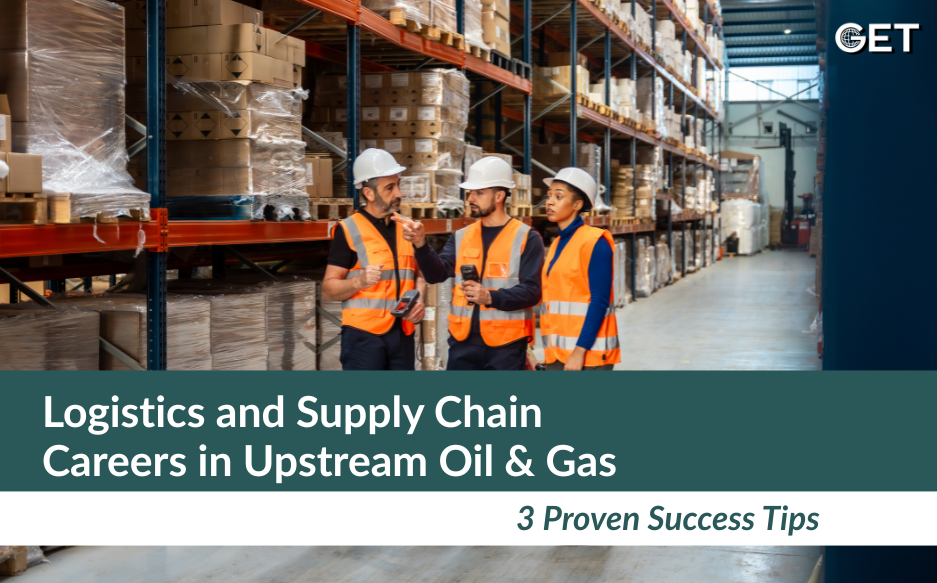
Upstream oil and gas is where the real work starts. This is the part of the value chain where exploration wells are drilled, rigs are mobilized, and production systems are installed, often hundreds of kilometers away from stable ports, roads, or population centers. Logistics here supports drilling campaigns, well interventions, […]
By Get global | January 27, 2026
The oil and gas industry operates under unpredictable conditions which make it difficult for projects to succeed. When something goes wrong, it goes wrong fast. The situation develops into dangerous conditions which result in multiple fires, injuries, shutdowns and environmental damage that lasts for many years. The oil and gas […]