May 22, 2025
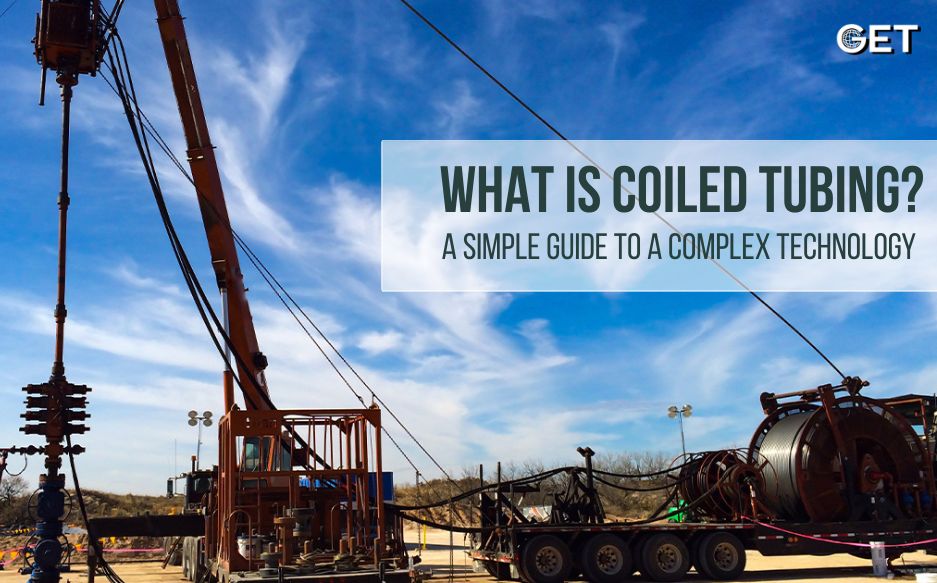
If you’ve ever come across the term coiled tubing in the oil and gas industry and wondered what it means — you’re not alone. At first glance, it might sound like a high-tech version of a garden hose, but coiled tubing is a critical tool that keeps the oilfield running efficiently and safely.
In this blog, we’ll break down what coiled tubing really is, how it’s used, why it’s important, and what makes it such a powerful technology in modern oilfield operations.
Coiled tubing (CT) is one continuous length of steel or composite pipe coiled on an extremely large spool. Unlike typical jointed pipe, which is banded and banded segment by segment, coiled tubing is run as a single component, which is faster and more efficient to deploy.
The tubing can be installed in live wells — i.e., wells still under pressure and still producing — without killing the well (shutting off its production). That saves oil and gas companies a lot of time and money.
Coiled tubing comes in several diameters (usually 1 to 3.25 inches) and lengths of up to 30,000 feet. It’s durable, robust, and capable of work at high pressures and temperatures.
Picture a great big spool — about the size of a spool of string — on a specially constructed truck or trailer. The pipe is wound continuously onto this spool. The tubing is threaded through a gooseneck, a curved guide that pushes it into the injector head, and then the tubing is fed into the wellbore.
The injector head controls deployment rate and force and retrieval. A bottom hole assembly (BHA), which may or may not include equipment for cleaning, logging, fishing (retrieving lost gear), or even stimulating the well, is connected at the tubing’s tip.
It’s a bit like performing surgery — but much deeper, in a well, thousands of feet underground.
The flexibility of the coiled tubing makes it an imperative on both onshore and offshore oilfields. Some of its most common uses include the following:
Wells accumulate debris, sand, scale, or other impediments with time. Coiled tubing is usually utilized to drive chemicals or pump fluids that dislodge the said material and restore the flow.
Coiled tubing can pump acid or other stimulation fluids directly into specific areas in the reservoir. This dissolves the plugs and increases permeability, which improves oil and gas production.
A well that is not flowing naturally due to low pressure can have nitrogen injected through coiled tubing in order to reduce fluid weight to help lift hydrocarbons to the surface.
CT can lower take downhole sensors to record measurements (log) or equipment to perforate holes in the casing to speak with the reservoir and the wellbore.
If the equipment is lost or stuck in the well, coiled tubing is used to retrieve it using specialized fishing tools.
Coiled tubing’s popularity is no flash in the pan. That’s because operators across the globe rely on it:
· Live Well Intervention: No destruction of the well or production loss.
· Speed: More rapid deployment and recovery than jointed pipe.
· Cost Efficiency: Reduces rig time and total cost of intervention.
· Versatility: Suitable for vertical, deviated, and horizontal wells.
· Mobility: Easier to transport by truck or trailer, even to remote locations.
Naturally, coiled tubing has its disadvantage. The equipment and technology are expensive to install, and operations require skilled technicians. Tubing fatigue life (how many repetitions before failure) is also a consideration, especially in high-pressure or deeper wells.
Maintenance, inspection, and quality planning are the links to effective and safe operations.
With the need for efficient, low-footprint well interventions growing by leaps and bounds, coiled tubing is gaining prominence. Technologies like data monitoring in real time, automated injectors, and digital well modelling are smartening and improving coiled tubing beyond imagination.
In non-traditional reservoirs like shale and tight gas plays, coiled tubing is a vital equipment in hydraulic fracturing and multi-stage stimulation operations. As sustainability becomes more of a growing concern, operators are increasingly using coiled tubing to reduce carbon footprints by reducing rig-up time and diesel consumption.
Coiled tubing can look simple — a metal tube on a reel — but it’s actually one of the oilfield sector’s most sophisticated and cost-effective devices. It allows operators to perform complex interventions without having to close down operations, resulting in time and cost savings.
Whether it’s purging a well, increasing production, or performing precision work thousands of feet below the surface, coiled tubing is now an anchor technology in modern energy development.
So, the next time you hear someone utter the words “coiled tubing,” you’ll know — it’s not necessarily just a tube. It’s a game-changer!
Read Also- Powering Progress: The Transformative Role of Technology in the Oil and Gas Sector
By Get global | February 24, 2026
Choosing an oilfield service provider rarely feels like a risky decision at the start. On paper, most providers look capable. Certifications are in place. Equipment lists are impressive. Commercial terms appear competitive. The problems usually show up later. A few weeks into operations. After the first unplanned shutdown. When coordination […]

By Get global | February 19, 2026
In today’s constantly evolving energy landscape, selecting the right Upstream Oilfield Services Provider is not only essential but also a strategic decision that directly influences the performance, safety and well being of the workforce. The upstream oil and gas sector operates in one of the most hazardous and risk – […]
By Get global | February 16, 2026
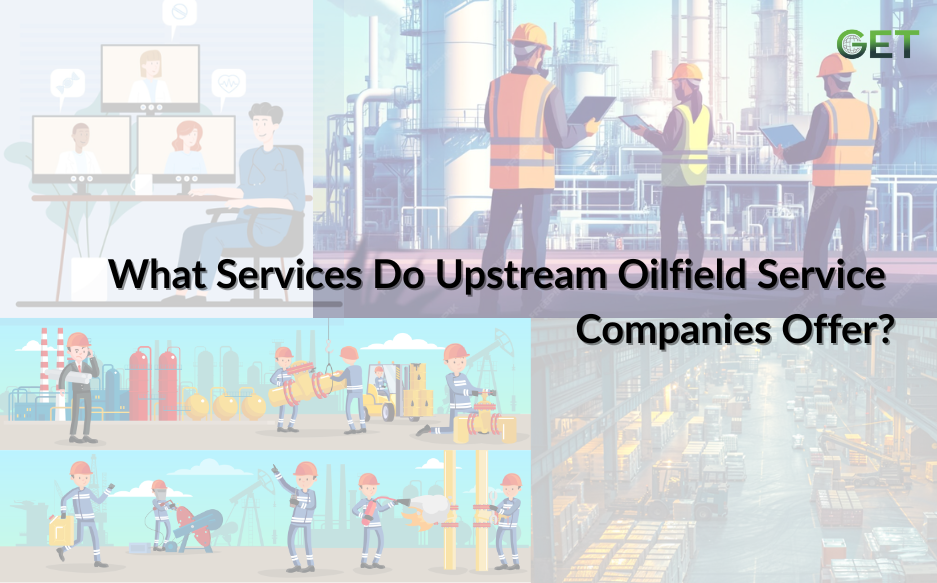
In today’s rapidly evolving energy landscape, the upstream segment is not only crucial in the oil and gas industry but also the basis of finding and exploring hydrocarbons. As projects move into deeper and much complex territories, upstream companies are involved in all the phases of the oil and gas […]
By Get global | January 30, 2026
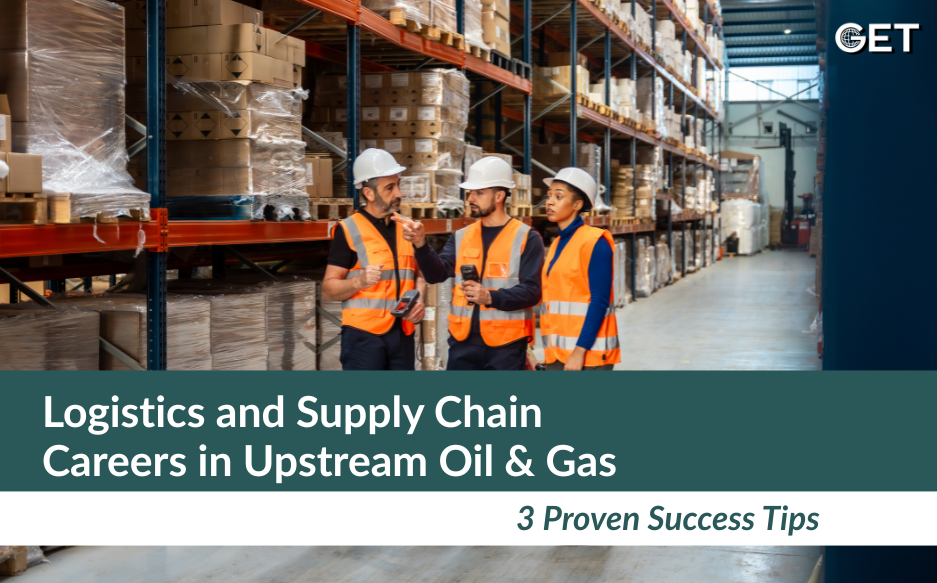
Upstream oil and gas is where the real work starts. This is the part of the value chain where exploration wells are drilled, rigs are mobilized, and production systems are installed, often hundreds of kilometers away from stable ports, roads, or population centers. Logistics here supports drilling campaigns, well interventions, […]

By Get global | January 27, 2026
The oil and gas industry operates under unpredictable conditions which make it difficult for projects to succeed. When something goes wrong, it goes wrong fast. The situation develops into dangerous conditions which result in multiple fires, injuries, shutdowns and environmental damage that lasts for many years. The oil and gas […]