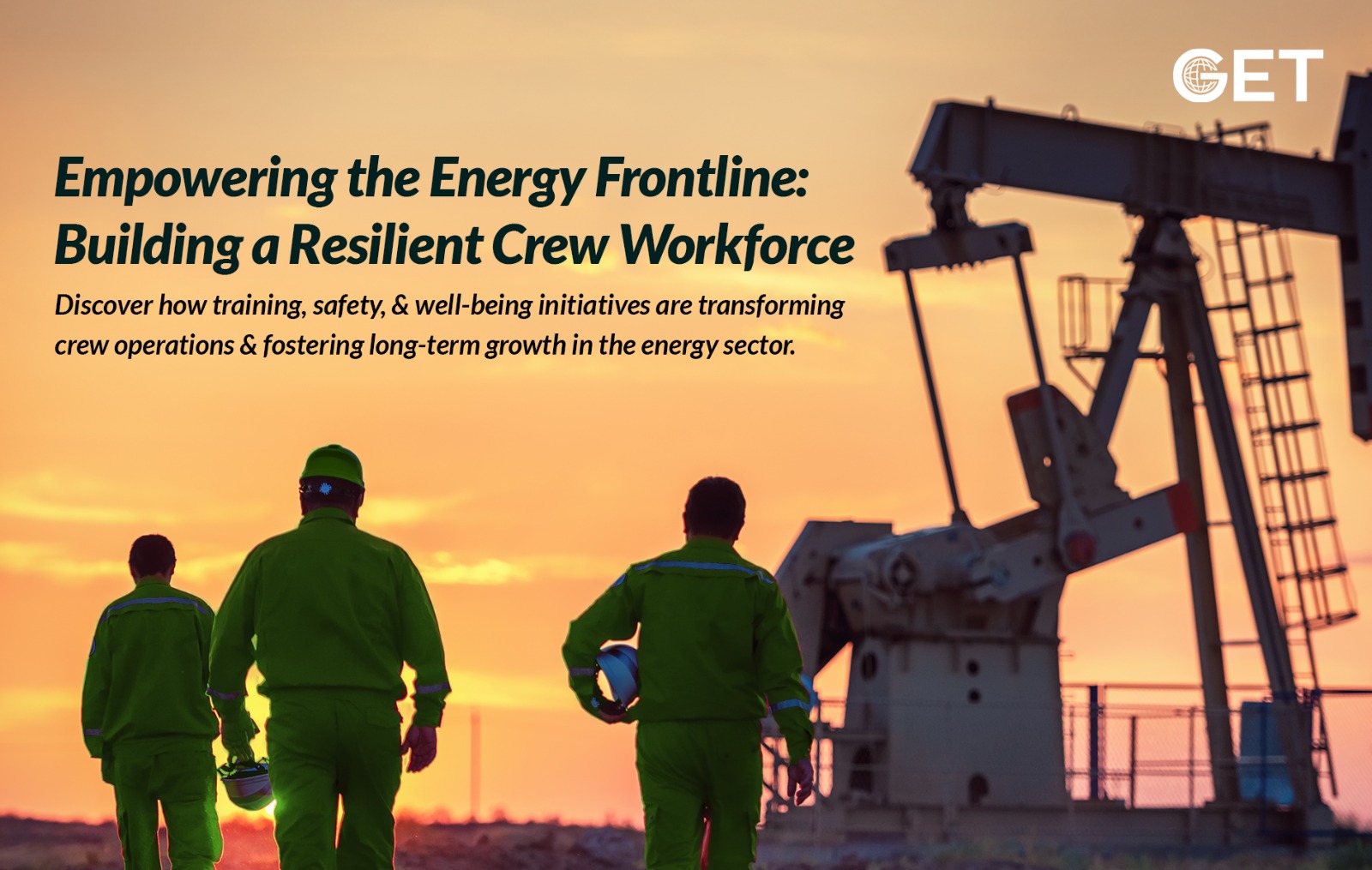
In oil and gas, resilient crews are the invisible force behind operational excellence. Change in global energy requirements and technology transferring the work to the field: A greater need is felt to invest in the most precious asset of the industry-the people.
From this blog, we go with some of the important ways to empower the oil and gas frontline and develop an adaptable, skilled workforce prepared for tomorrow.
Oil and gas are no longer just matters of engineering and geology; it is also a human endeavor. We have learned from the pandemic that no matter how advanced the infrastructure might be, it could collapse without a prepared, flexible, and motivated workforce.
A resilient crew might also be prepared for the really tough weather at the remotest site and long rotations. Today resilience means emotional allegiance and cultural agility; technological fluency; and safety-right-collaborative-innovation cases.
Earlier technical knowledge was the criteria for being a good crew member. Today’s frontline workforce in oil and gas has to be multi-skilled, safety-conscious, culturally agile, and emotionally resilient, to say the least. They need to be adaptable to fast-changing technologies like AI drilling or predictive maintenance, but also maintain a high level of safety and performance. Being a resilient person is becoming more than just a word because rotation schedules, isolation, and operational risk take an emotional toll.
Mental health suffers if the conditions are harsh, or if one spends thirty or more days away from home. Crew welfare has to be part of the culture.
Strategies:
Empathy-driven policies increase retention, enhance employee morale, and improve output.
The digital transformation and decarbonization are taking place in the oilfield. The crews must keep evolving.
Key Investments:
A crew that learns for today and tomorrow is beyond resilience-they are fuel for the process of innovation.
Rigs are microcosms of global teams today. Diversity celebrated and communication established are values that nourish resilience.
Action Points:
Inclusive groups are more adaptable, convergent, and innovative.
Truth is technology serves end-to-end enhancement; it’s not to cast away a human. Where properly applied, it increases empowerment and confidence.
Technology Tools Empowering:
The first resilience building steps notionally occur at the top, and then at the front. Supervisors cradle environment-setting opportunities along with team leads and senior crews.
What strong leadership looks like:
And resilient crews flourish under leadership of trust, transparency, and purpose.
A resilient workforce means fewer incidents and downtime, better engagement and retention, along with more strength in adapting to an unpredictable future
In remote, high-risk environments, resilience is crucial for safe and efficient operations.
Building resilient crews is not a function of random training or doting on new tech. Instead, it is about nurturing a culture that values adaptability in spirit, mental wellbeing, collaboration, and lifelong learning. In Upstream oil and gas, the crew is not part of the system-they are the system.
Investments in resilience ensure that we are not just investing in output, but in the very future of energy.
Empowering crews is a persistent commitment. From hiring through retirement, each encounter must reinforce this reality: people are our most valuable asset.
At GET, we construct resilience. We empower individuals. And in the process, we power the future of energy.
Because resilience isn’t a soft skill. It’s a strategic benefit.
By Get global | February 24, 2026
Choosing an oilfield service provider rarely feels like a risky decision at the start. On paper, most providers look capable. Certifications are in place. Equipment lists are impressive. Commercial terms appear competitive. The problems usually show up later. A few weeks into operations. After the first unplanned shutdown. When coordination […]
By Get global | February 19, 2026
In today’s constantly evolving energy landscape, selecting the right Upstream Oilfield Services Provider is not only essential but also a strategic decision that directly influences the performance, safety and well being of the workforce. The upstream oil and gas sector operates in one of the most hazardous and risk – […]
By Get global | February 16, 2026
In today’s rapidly evolving energy landscape, the upstream segment is not only crucial in the oil and gas industry but also the basis of finding and exploring hydrocarbons. As projects move into deeper and much complex territories, upstream companies are involved in all the phases of the oil and gas […]
By Get global | January 30, 2026
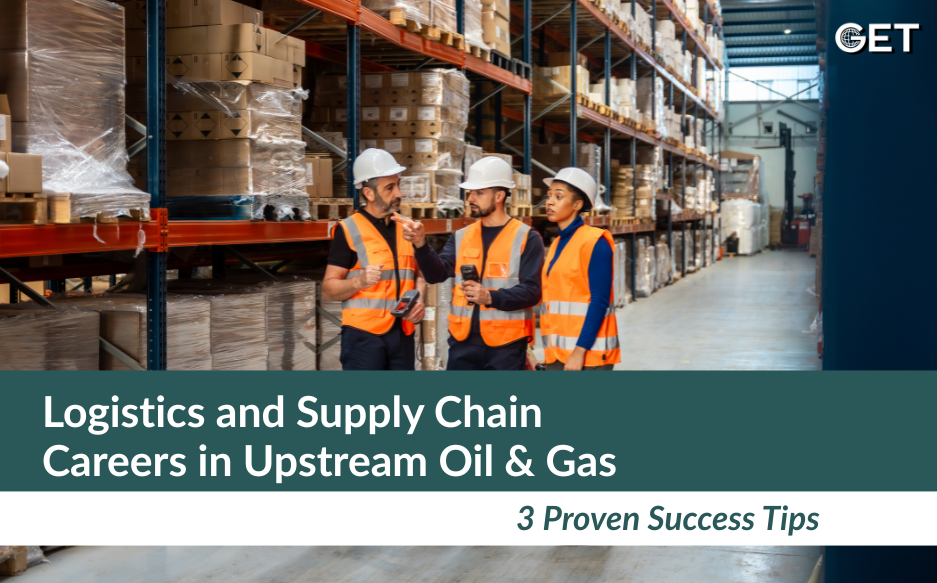
Upstream oil and gas is where the real work starts. This is the part of the value chain where exploration wells are drilled, rigs are mobilized, and production systems are installed, often hundreds of kilometers away from stable ports, roads, or population centers. Logistics here supports drilling campaigns, well interventions, […]
By Get global | January 27, 2026
The oil and gas industry operates under unpredictable conditions which make it difficult for projects to succeed. When something goes wrong, it goes wrong fast. The situation develops into dangerous conditions which result in multiple fires, injuries, shutdowns and environmental damage that lasts for many years. The oil and gas […]