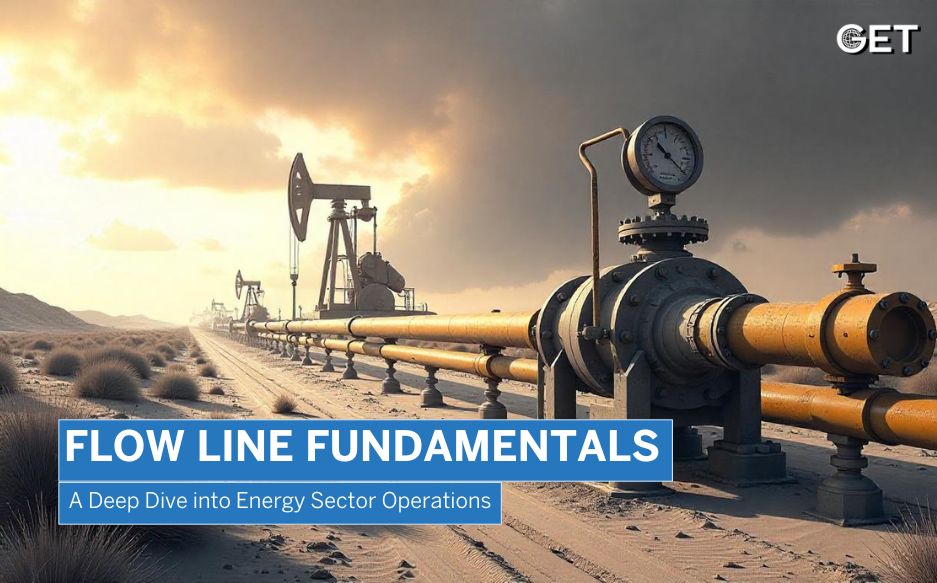
Efficiency, precision, and reliability define a favorite operation in the energy sector. Flow lines, though often taken for granted, are the very web that brings together production in oil and gas. They are primary components in upstream operations because they facilitate the flow and transportation of hydrocarbons from the well to upstream processing. Understanding flow lines is at the core of optimizing operations, reducing downtime, and ensuring safety in the field.
Flow lines are pipelines carrying crude oil, natural gas, or multiphase fluids from the wellhead to gathering stations, separators, or processing plants. Unlike the transportation pipelines through which processed hydrocarbons move for miles, flow lines are usually shorter and cater for higher pressures and temperatures. They are very critical during early-stage production and play a huge role in the overall efficiency of the system.
Flow lines serve multiple purposes in oil and gas fields, directly affecting production performance and safety. Here is how they fit into broader operations:
When hydrocarbons are extracted, flow lines ensure the transport of the material in a safe and rapid manner to processing units. The quality of flow line infrastructure determines production rates and bottlenecks in the supply chain.
The fluids that emerge from the wells mostly have a mix of oil, gas, water, and sand. Flow lines are designed to accommodate multiphase flow and then separate these constituents in downstream processing stages.
Leak-proof and properly maintained flow lines reduce environmental hazards while taking care of avoiding spills and emissions. Periodic inspection and determination further fosters sustainability and compliance with legal frameworks.
The efficiency of operations becomes a function of the reliability of flow lines: downtime due to a leak, blockage, or corrosion can mean financial loss. In the long term, investing in strong materials and predictive maintenance can ensure cost savings.
The complexity of flow lines brings all kinds of operational challenges that invite innovative solutions.
A proactive approach should be adopted by companies in the management of flow lines since operational excellence requires this:
Trusted partner in energy GET Global Group, is giving the latest innovative solutions in flow line management. GET Global Group established its name by having extensive learning with oil and gas operations to ensure that the flow lines would be designed, maintained, and optimized under industry standards.
Read Also- Powering Projects with the Right People
By bringing advanced technology application, predictive analytics, and sustainable engineering practices to bear, GET Global Group empowers energy companies to become more efficient and mitigate operational risks while attaining significant cost savings in the long run. Whether it concerns corrosion prevention, digital monitoring, or pressure management, GET Global Group has tailored solutions that drive innovation in flow line operations.
A fundamental part of the operational framework of the energy sector, flow lines serve an eminent role in hydrocarbon transport, ensuring safety, and cost savings. While the industry continues its burgeoning advancement in terms of digitalization and sustainability, mastering the groundwork of flow lines continues to form a bedrock of efficient oil and gas production. Companies like GET Global Group who invest in innovative flow line technologies will not only achieve improved efficiency in production but also continue to flourish in time toward a more sustainable and safer energy landscape.
By Get global | February 24, 2026
Choosing an oilfield service provider rarely feels like a risky decision at the start. On paper, most providers look capable. Certifications are in place. Equipment lists are impressive. Commercial terms appear competitive. The problems usually show up later. A few weeks into operations. After the first unplanned shutdown. When coordination […]
By Get global | February 19, 2026
In today’s constantly evolving energy landscape, selecting the right Upstream Oilfield Services Provider is not only essential but also a strategic decision that directly influences the performance, safety and well being of the workforce. The upstream oil and gas sector operates in one of the most hazardous and risk – […]
By Get global | February 16, 2026
In today’s rapidly evolving energy landscape, the upstream segment is not only crucial in the oil and gas industry but also the basis of finding and exploring hydrocarbons. As projects move into deeper and much complex territories, upstream companies are involved in all the phases of the oil and gas […]
By Get global | January 30, 2026
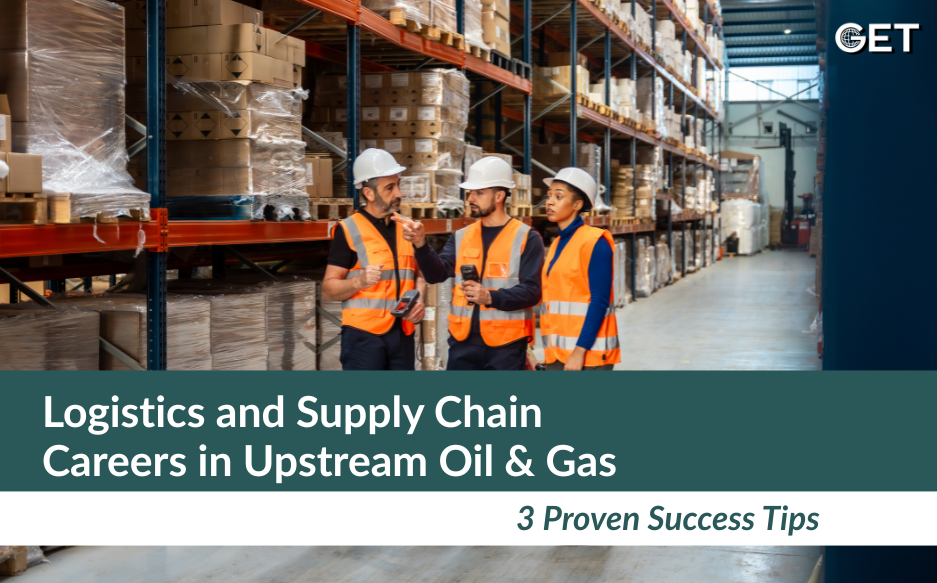
Upstream oil and gas is where the real work starts. This is the part of the value chain where exploration wells are drilled, rigs are mobilized, and production systems are installed, often hundreds of kilometers away from stable ports, roads, or population centers. Logistics here supports drilling campaigns, well interventions, […]

By Get global | January 27, 2026
The oil and gas industry operates under unpredictable conditions which make it difficult for projects to succeed. When something goes wrong, it goes wrong fast. The situation develops into dangerous conditions which result in multiple fires, injuries, shutdowns and environmental damage that lasts for many years. The oil and gas […]